Palm Springs has always been where people come to reset, reconnect, and celebrate—but in 2026, the food is no longer just “included.” It’s a headline experience. With wellness retreats, leadership offsites, and creator weekends booming across the desert, guests are arriving with higher expectations: meals that match the vibe, support how they want to feel, and look as good as they taste. The old playbook—basic buffets, predictable catering trays, and last-minute restaurant reservations—doesn’t cut it anymore. Today’s best retreats and events are using retreat catering in Palm Springs to set the tone, build community, and create moments worth sharing. Here are the Palm Springs food trends shaping 2026, plus practical menu ideas to help you plan an event people will remember long after the weekend ends.
🌿 1. Plant-Forward, Not Plant-Only
What it means in 2026: Guests aren’t necessarily “going vegan,” but they are expecting vegetable-led menus that feel substantial, chef-driven, and satisfying—especially in Palm Springs where fresh, bright, desert-friendly plates fit the vibe.
What planners are asking for:
-
Menus where the entrée can be produce-forward without feeling like a compromise
-
Options that work for mixed groups (vegans, pescatarians, omnivores) without doubling the menu complexity
-
“Eat clean, still feel full” meals that keep people energized for workshops, hikes, or late-night conversation
What it looks like on the plate:
-
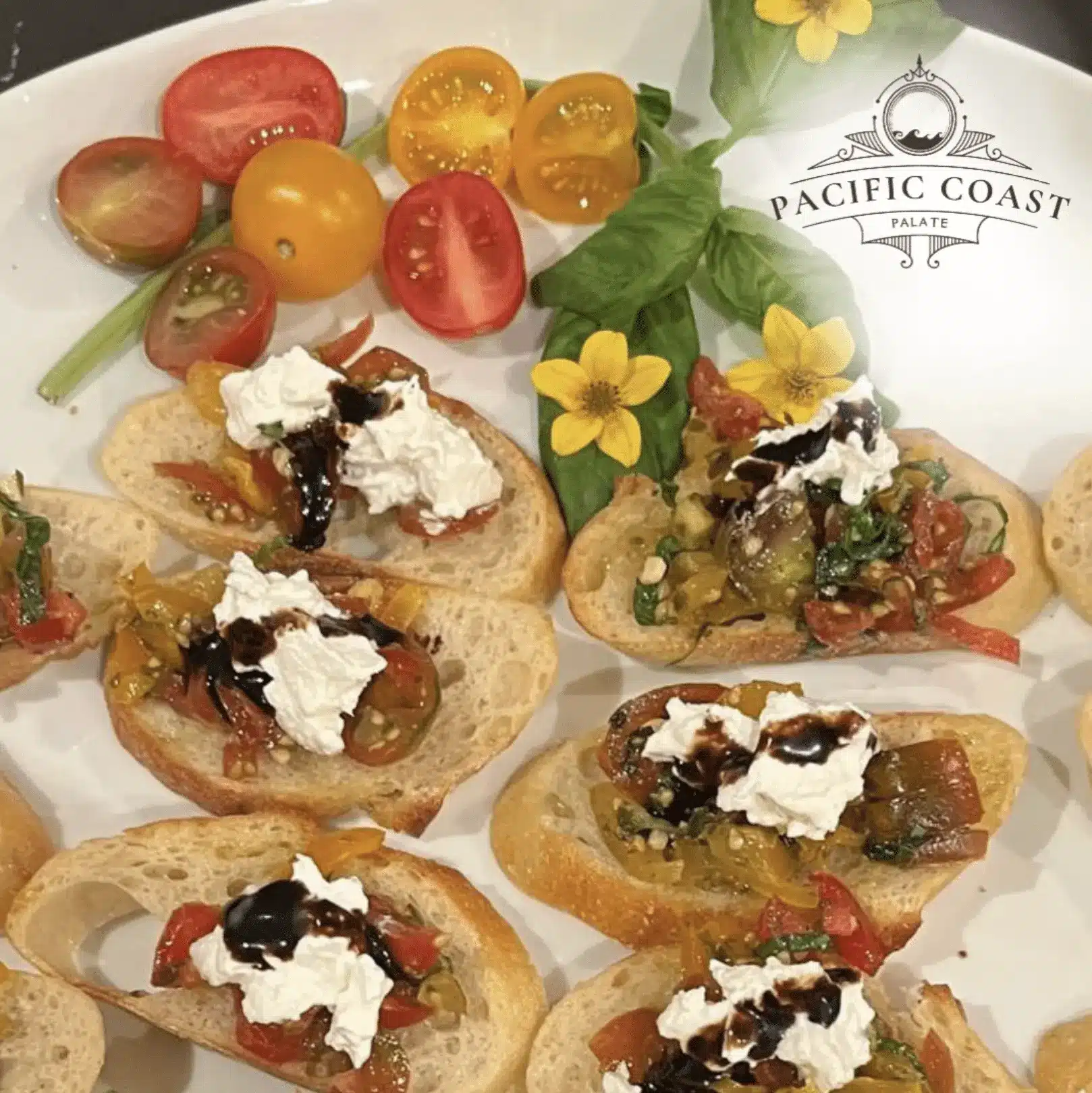
Charred cauliflower “steaks” with romesco, toasted pepitas, and herb salad
-
Roasted carrot “carpaccio” with citrus, pistachio, and vegan feta
-
Moroccan chickpea + sweet potato bowls with preserved lemon, mint, and tahini drizzle
-
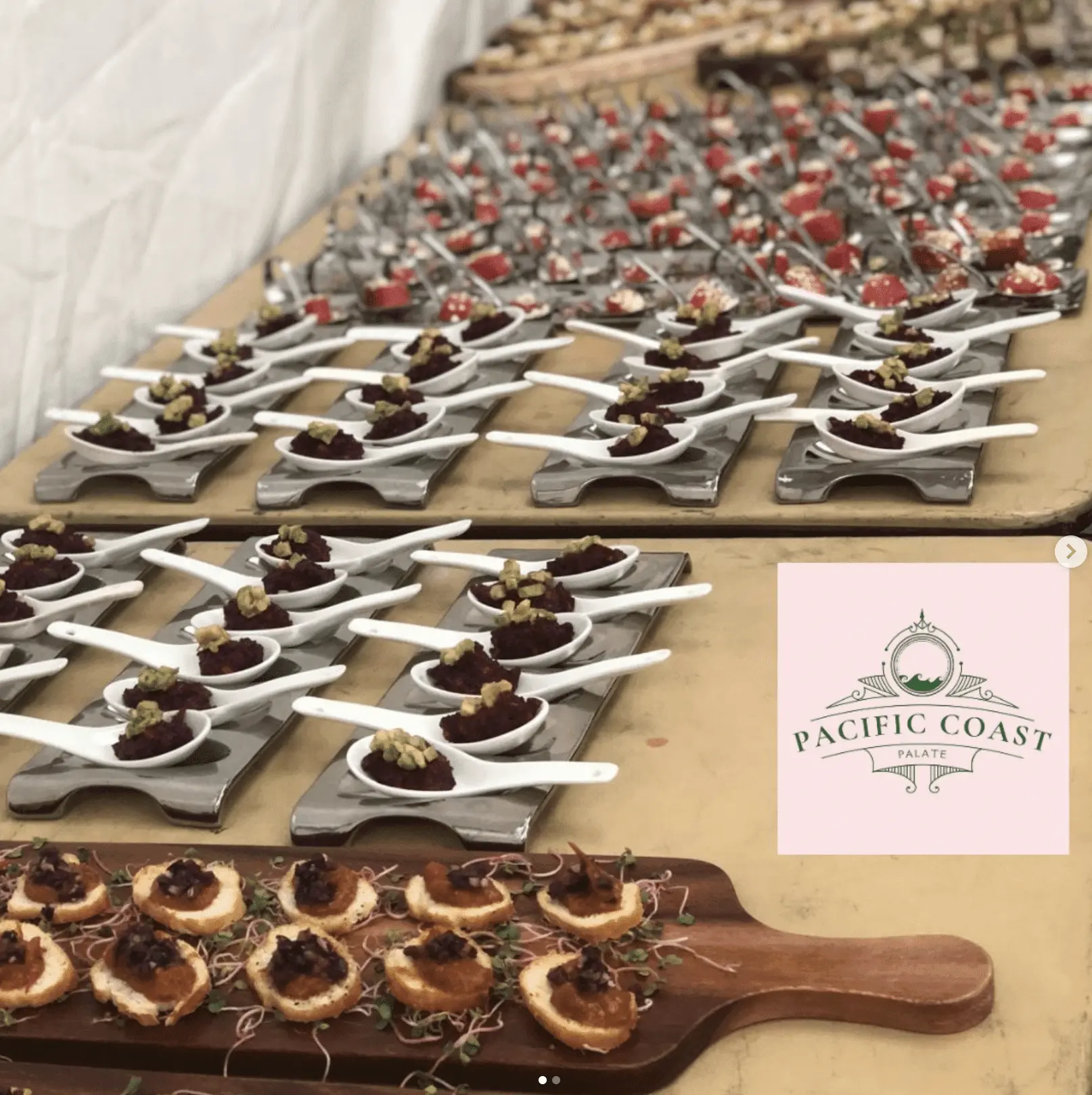
Beet tartare with capers, shallot, Dijon, and crisp seeded crackers
-
Big-format salads that feel like a meal (warm farro, grilled vegetables, avocado, crunchy toppings)
Why it’s trending in Palm Springs: Plant-forward menus photograph beautifully, travel well for events, and align with wellness-forward retreat culture without alienating meat-eaters.
🥣 2. Functional Foods & Mood-Boosting Meals
What it means in 2026: Retreat food is being designed like a performance tool—supporting focus, digestion, energy, and even sleep. Guests want to feel good during the event and not “crash” after meals.
What’s driving demand:
-
More wellness, leadership, and creator retreats with full-day schedules
-
Guests who track macros, gut health, inflammation triggers, and caffeine sensitivity
-
Planners who want fewer “low-energy afternoons” and more consistent attendee engagement
Popular functional directions we’re seeing:
-
Gut-friendly: fermented sides (kimchi, pickled radish, sauerkraut), fiber-forward ingredients, lighter sauces
-
Anti-inflammatory: turmeric, ginger, olive oil, omega-3 friendly pairings
-
Stable-energy menus: higher protein, smart carbs, and fats—less sugar spikes
-
Mood-supportive treats: magnesium-rich dark chocolate, date-based desserts, citrus-forward plates
How to make this feel premium (not preachy):
-
Label the menu with simple benefits like “steady energy” or “digestive-friendly”
-
Offer optional add-ons at stations (chia, collagen, cacao nibs, hemp seeds, electrolyte spritz)
-
Keep it chef-led and delicious first—function second
🍹 3. Elevated Non-Alcoholic Options
What it means in 2026: “Mocktail” isn’t a kids’ option anymore. Guests want zero-proof beverages that feel like a real pairing—complex, styled, and intentional.
Why it matters for events:
Retreats are seeing more mindful drinkers, early-morning schedules, and guests who want to network without alcohol. A strong NA program makes everyone feel included and keeps energy high.
What elevated looks like:
-
Zero-proof spirits (gin-style botanicals, aperitif-style bitters)
-
House-made syrups (hibiscus, rosemary-citrus, jalapeño-agave, ginger-cardamom)
-
Infused sparkling waters with garnish and glassware that feels “cocktail hour”
-
NA pairings matched to courses (acid, bitter, herbaceous, refreshing)
Palm Springs-style favorites:
-
Grapefruit + rosemary spritz with salted rim
-
Hibiscus-lime cooler with mint
-
Cucumber + basil tonic with a peppery finish
-
Spiced pineapple mule (ginger + chili + lime)

🧀 4. Grazing as a Meal
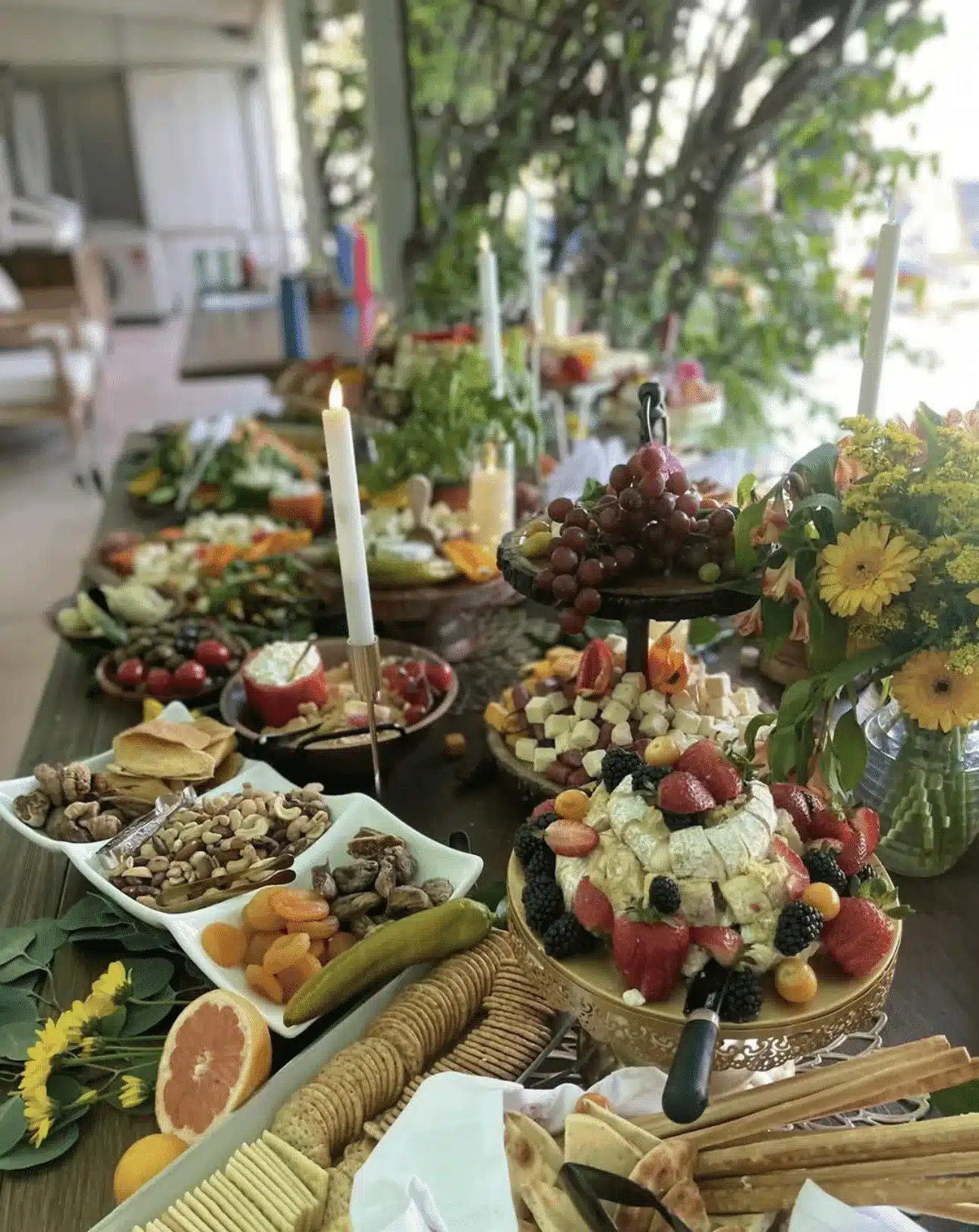
What it means in 2026: Grazing tables aren’t “snack décor” anymore. They’re becoming the main event, built with structure, warmth, and real protein—perfect for social retreats and casual networking nights.
Why planners love it:
-
Keeps the schedule flexible (no plated timing stress)
-
Encourages mingling and conversation
-
Visually dramatic and instantly “event-ready” for photos
What makes it meal-level (not just nibbles):
-
Protein anchors: skewers, grilled chicken bites, salmon, marinated tofu, meatballs
-
Warm components: mini flatbreads, sliders, roasted vegetables, empanada-style bites
-
“Composed zones”: Mediterranean section, local desert produce section, global dips section
-
Intentional labeling: allergen notes, vegan/GF sections, spicy indicators
Pro tip for retreats: Pair grazing with a single featured hot station (taco bar, pasta toss, or grain bowl build) to keep it relaxed but satisfying.

🍽️ 5. Private Chef Experiences Replace Dining Out
What it means in 2026: For retreats and boutique events, the restaurant experience often creates friction—transportation, noise, split checks, limited dietary control, and time lost. Private chef dining is replacing the “group dinner reservation” because it’s cleaner, calmer, and more premium.
What hosts get that restaurants can’t match:
-
Total control of timing (eat after the sound bath, before the fireside talk, etc.)
-
Custom menus for allergies and preferences without awkward back-and-forth
-
A curated atmosphere: lighting, plating, pacing, and service that fits the event tone
-
A “shared home” feeling that bonds groups faster than a loud dining room
Best-fit event formats:
-
Leadership retreats (high-touch, quiet conversation)
-
Content creator weekends (camera-ready presentation)
-
Wellness getaways (dietary precision + calm pacing)
-
Airbnb/Villa events where the house is the venue
🔥 6. Global-Inspired Comfort Foods
What it means in 2026: Guests want comfort, but they also want novelty. The sweet spot is familiar formats with globally inspired flavor upgrades—approachable, craveable, and memorable.
Why it’s working:
Comfort food is emotionally sticky. Add global flavor, and it becomes something guests talk about after the retreat ends.
Examples that land well with groups:
-
Truffle mac + Japanese furikake + crispy shallots
-
Moroccan-spiced flatbreads with whipped feta and herb salad
-
Coconut-lime risotto with charred shrimp or roasted mushrooms
-
Korean-inspired short rib sliders with sesame slaw
-
“Street-food style” bowls (Thai basil, shawarma spice, peri-peri, chimichurri)
How chefs keep it retreat-friendly:
We’re seeing global comfort executed with cleaner oils, smarter portions, and balanced sides—so guests feel satisfied, not sluggish.
📸 7. Food as a Brandable Moment
What it means in 2026: For retreats with creators, founders, or brands, the menu is becoming part of the marketing. Food isn’t just served—it’s staged, styled, and aligned with the event identity.
What “brandable” food looks like:
-
Color stories (desert neutrals, citrus tones, pink/green wellness palettes)
-
Signature items that repeat across the weekend (a branded latte topper, a themed dessert)
-
Custom touches: monogram cookies, edible prints, logo stencils, cocktail napkins
-
Plating designed for camera angles: height, contrast, texture, garnish discipline
Popular photo-friendly menu moments:
-
Pink beet hummus boards with crudités in a color gradient
-
Matcha pancakes or chia parfait bars with build-your-own toppings
-
Mini desserts with custom tags/flags
-
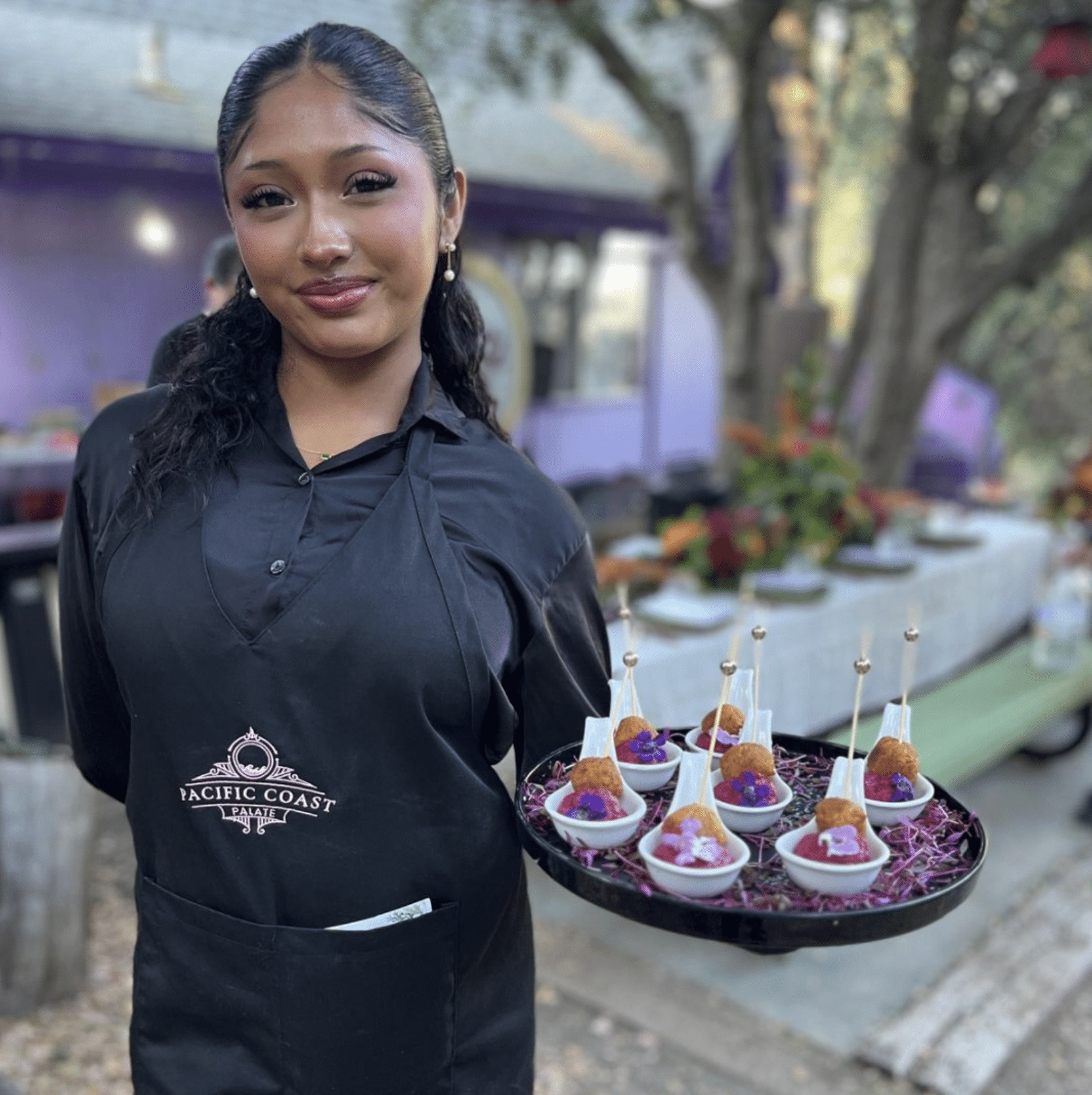
“First bite” welcome bites presented on branded boards or trays
Why planners care:
If guests share the food, they share the retreat. That turns catering into earned media.

FAQ: Palm Springs Food Trends for 2026 Retreats & Events
What are the most exciting food trends in Palm Springs for 2026?
Palm Springs is embracing luxury-driven, experience-focused dining—think plant-forward gourmet menus, private chef experiences, interactive grazing tables, and globally inspired comfort food designed for retreats and events.
Why are private chefs becoming a major trend in Palm Springs?
Private chefs are in high demand because they deliver fully personalized, in-villa dining experiences. Guests enjoy restaurant-quality meals without leaving their retreat, making gatherings more private, luxurious, and stress-free.
What is plant-forward dining and why is it trending in 2026?
Plant-forward dining highlights seasonal vegetables, grains, and fresh ingredients while still allowing premium proteins. It’s popular because it supports wellness, energy, and mindful eating—perfect for retreat-style living.
How is luxury catering evolving in Palm Springs?
Catering is shifting from traditional buffet service to curated dining experiences with chef stations, artistic plating, themed menus, and immersive food presentation that becomes part of the event itself.
What foods define wellness retreats in 2026?
Wellness retreats focus on nutrient-rich, clean, and energizing foods like smoothie bowls, fresh salads, lean proteins, fermented dishes, detox juices, and light gourmet meals that support balance and vitality.
Why is experiential dining so popular right now?
Experiential dining transforms meals into memorable moments. Guests want interactive food stations, live cooking, and Instagram-worthy presentation that enhances the overall event experience.
Are private chefs replacing traditional catering in Palm Springs?
In many luxury events, yes. Private chefs offer more personalization, higher quality ingredients, and a tailored dining experience that traditional catering often cannot match.
Why is Palm Springs a hotspot for new food trends?
Palm Springs attracts luxury travelers, wellness retreats, and high-end events, making it a natural hub where innovative food trends emerge and quickly gain popularity.
💬 Final Thought: Dining Is the New Experience
In 2026, food is the social glue of a retreat. It sets the tone, shapes the energy, and creates the most shared moments of the weekend. The most successful Palm Springs retreats and events are treating food as programming—not logistics. When meals are intentional, guests don’t just remember what they ate. They remember how the entire experience felt.
📞 Let’s Talk About Your 2026 Event
At Pacific Coast Palate, we design elevated food experiences that match your retreat goals, your guest preferences, and your aesthetic—without the stress. Whether you want plant-forward wellness menus, meal-level grazing, or a fully curated private chef weekend, we’ll help you create dining moments people talk about long after checkout.
Let’s bring these 2026 trends to your table.
Contact us today → 760-406-7794 or contact us here