The New Year is a good time to take a fresh look at your eating habits. Instead of making drastic changes, focus on simple habits that can make healthy eating easier to maintain. Choosing more fruits and vegetables, including quality protein, eating whole grains, planning meals ahead and making balanced food choices can help you build a healthier routine.
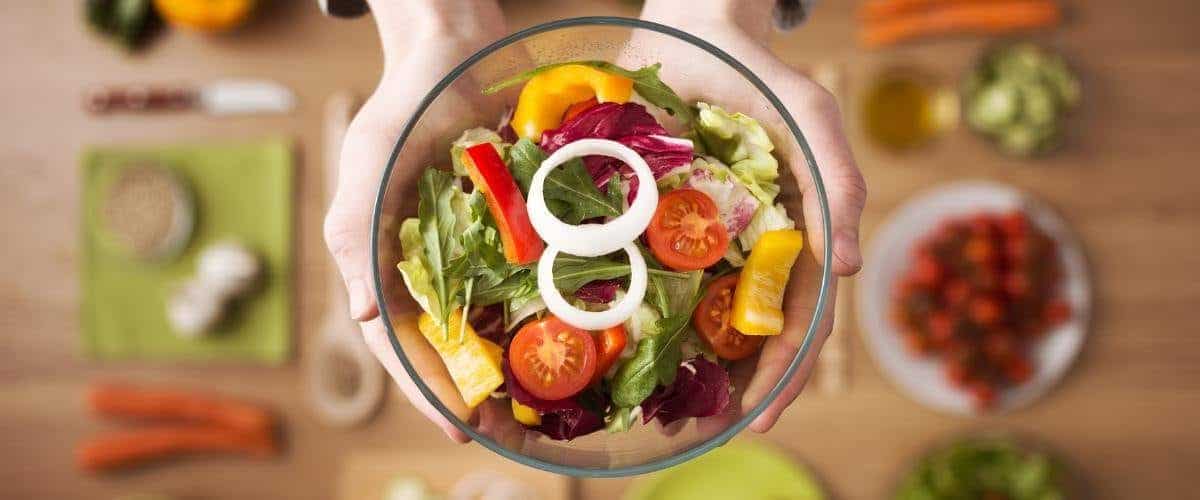
Here are some foods that will help you eat healthier and maintain dietary goals:
Eat More Fresh Fruits
Adding a variety of fresh fruits to your meals and snacks is a simple way to include more nutrient-rich foods in your daily routine. Choose from options such as apples, berries, bananas, oranges and pears, or enjoy seasonal fruits for more variety. Add fruit to breakfast, blend it into smoothies, or keep fresh fruit on hand for an easy snack between meals. If you’d like to learn more about preparing fresh meals at home, explore our Cooking Classes in Los Angeles.
Lean Protein
Lean protein is an important part of any healthy diet. Fish, chicken, and lean cuts of meat are all excellent sources of protein. Aim to include a source of lean protein in each meal, as it can help to keep you feeling full for longer and provide energy throughout the day. When possible, choose fresh or frozen options over processed meats, as they are typically lower in sodium and other preservatives. Additionally, look for wild-caught or grass-fed options when selecting fish or beef. These choices tend to contain more nutritional value than their farmed counterparts.
Whole Grains
Whole grains are an important part of a healthy diet. Grains provide essential nutrients, vitamins, minerals, and fiber that can help to keep you feeling full and energized. Eating oats, quinoa, and brown rice can also help to reduce your risk of certain diseases and promote digestive health. Incorporating grains into your daily diet is a great way to make sure you’re getting the nutrients you need without sacrificing taste or texture.
Fresh Vegetables
Eating fresh vegetables is one of the easiest ways to start eating healthier in the New Year. Fresh veggies are packed with essential vitamins and minerals and are low in calories and fat. They can also be prepared in a variety of delicious recipes, so you’re sure to find something that fits your tastes. Choose an array of colors when selecting your veggies to ensure that you get a good mix of nutrients. Eating more fresh veggies is a tasty way to jumpstart your healthy eating goals this year.
While speaking of vegetables:
Dark Leafy Green Vegetables
Dark leafy green veggies are an essential part of eating healthy They are packed with vitamins and minerals and also contain high amounts of fiber. Eating dark leafy greens can help to improve digestion, reduce inflammation, and support overall health. Examples of dark leafy greens include spinach, kale, collard greens, Swiss chard, and dandelion greens. To get the most nutritional benefits from these dark leafy greens, try to eat them raw or lightly cooked.
Changing Habits
Eating healthy is a commitment, and it can take a little more time and effort than simply grabbing something convenient. However, with a bit of planning and following dietary guidelines, you can make sure you’re always eating nutritious meals. Taking the time to meal-plan ahead of time, heading to the grocery store at the start of each week, and even prepping some meals in advance can help to save you time during the week, and if there are sales at your local grocery store, you can also save money. There are plenty of quick and healthy recipes available online that don’t take long to prepare. Eating healthy may require more effort upfront, but the benefits are worth it!
Don’t Get Overwhelmed
When it comes to healthy eating, lasting results come from consistency rather than drastic changes. Instead of setting ambitious goals that may be difficult to maintain, focus on making small, realistic improvements to your daily habits. Simple changes, such as swapping a processed snack for fresh fruit or adding more vegetables to your meals, can have a significant impact over time. By taking gradual steps and celebrating small wins along the way, you’ll be more likely to build sustainable habits that support your long-term health and wellbeing throughout the year.
Don’t Follow Fad Diets
With so many diet trends circulating online, it’s easy to be tempted by quick-fix solutions that promise dramatic results. However, many fad diets are difficult to maintain and may not provide the balanced nutrition your body needs. Instead of chasing the latest trend, focus on building healthy, sustainable eating habits that fit your lifestyle. Small, realistic changes—such as choosing more whole foods, reducing processed snacks, and practising portion control—can deliver lasting results. A balanced approach to nutrition supports healthy weight management, helps reduce the risk of chronic diseases, and makes it easier to maintain your health goals throughout the year.
Be aware of dietary guidelines and know what your body needs and stay informed about what the Department of Agriculture (USDA) and the U.S. Department of Health state about serving size.
Plant-Based Diets
Diets that are plant-based are an excellent way to start the New Year off right. They can provide a variety of vitamins and minerals, as well as complex carbohydrates, proteins, and healthy fats. Diets that are plant-based are often lower in calories than meat-based diets, making it easier to maintain a healthy weight.
Simple Healthy Cooking Tips
Making a few simple changes in the kitchen can make everyday meals more balanced and enjoyable. Try these practical tips:
- Grill, bake, or roast foods instead of always frying them.
- Use herbs and spices to add flavor without relying on heavy sauces.
- Add more vegetables to soups, salads, pasta, rice dishes and main meals.
- Choose whole-grain ingredients such as brown rice, oats and whole-grain pasta.
- Use cooking oils in appropriate amounts and choose options such as olive oil when suitable.
- Prepare more meals at home so you have greater control over the ingredients.
- Keep portions reasonable and include a variety of foods in your meals.
If you want to build your cooking skills while learning new ways to prepare meals, explore our luxury catering services.
Make Healthy Eating Easier With Pacific Coast Palate
Looking for a simpler way to enjoy fresh, thoughtfully prepared meals? Pacific Coast Palate offers personal chef services, meal planning and cooking classes to help you make more time for good food at home. Contact us to discuss your needs and learn more about our services.
Frequently Asked Questions
- How can I start eating healthy in the New Year without feeling stressed?
The best way to begin is by making small, manageable changes instead of overhauling your entire diet. Start by adding more whole foods like fruits, vegetables, and grains while slowly reducing processed foods. When you focus on progress rather than perfection, healthy eating becomes easier, more enjoyable, and far less stressful. - Why do most New Year healthy eating resolutions fail?
Most resolutions fail because they are too strict, unrealistic, or short-term focused. People often try extreme diets that are difficult to maintain in daily life. Instead, long-term success comes from building flexible habits that fit naturally into your routine rather than temporary restrictions. - What is the simplest way to build healthy eating habits?
The simplest approach is to start with one habit at a time, such as drinking more water, adding vegetables to every meal, or cooking at home a few extra days each week. Once one habit becomes natural, you can gradually add another, creating a sustainable lifestyle instead of a quick fix. - What does a balanced healthy diet look like daily?
A balanced diet includes a variety of nutrient-rich foods such as fresh vegetables, seasonal fruits, whole grains, lean proteins, and healthy fats. Each meal should provide a mix of energy, nutrition, and satiety to keep your body active and your mind focused throughout the day. - Can I still eat my favorite foods while trying to eat healthy?
Yes, absolutely. Healthy eating is not about restriction but about balance. You can still enjoy your favorite foods occasionally while focusing on nutritious meals most of the time. This approach helps you stay consistent without feeling deprived or overwhelmed. - What are the easiest healthy food swaps I can make?
Simple swaps can make a big difference. For example, replace sugary drinks with water or herbal tea, choose whole grains instead of refined ones, and snack on fruits or nuts instead of packaged foods. These small changes add up over time and improve overall health. - How can I stay consistent with healthy eating throughout the year?
Consistency comes from planning and flexibility. Prepare simple meals ahead of time, keep healthy snacks available, and allow occasional treats so you don’t feel restricted. The key is to build a routine that is realistic enough to maintain all year long. - How do I eat healthy when I have a busy schedule?
When life gets busy, preparation is key. Keeping quick, healthy options like cut fruits, nuts, yogurt, or pre-cooked meals can help you avoid unhealthy fast food choices. Even simple planning can make a big difference in staying on track. - Is it better to follow a diet or build healthy habits?
Building healthy habits is far more effective than following strict diets. Diets are often temporary, while habits create long-term lifestyle changes that are sustainable, flexible, and easier to maintain. - What is the most important rule for healthy eating in the New Year?
The most important rule is balance. Instead of eliminating foods completely, focus on moderation, variety, and consistency. A balanced approach helps you enjoy food while still improving your health over time.